E-commerce has become indispensable, boundlessly crossing borders, thriving in international marketing, and experiencing drastic growth in recent times. This surge is hardly surprising!
E-commerce has immensely transformed the retail landscape, reaching beyond borders while offering customers fast and convenient space to shop from anywhere around the globe. It breaks down geographical barriers that were previously a hurdle for business growth, allowing companies to reach global audiences and increase profitability without the need for physical presence.
It has become the biggest advantage, especially for retail owners as it alleviates concerns about the locations of their audiences. This ability to reach a global audience enables them to access their new ventures and expand into new markets.
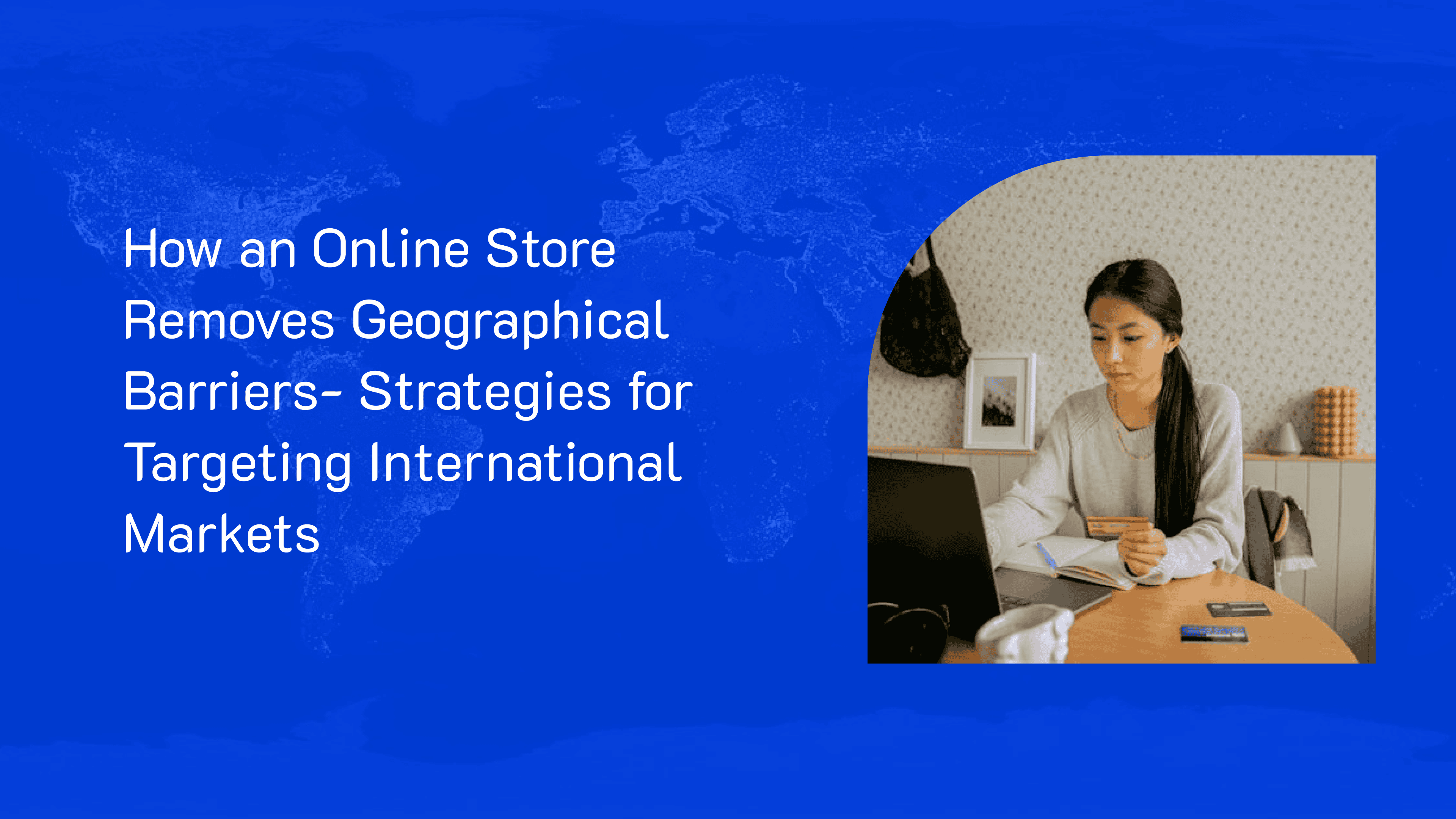
Cross-border eCommerce presents myriad opportunities to retailers by providing efficient delivery and transportation systems. Moreover, it paves the way for various job sectors such as software development, logistics, digital marketing, and customer service. These opportunities benefit businesses by creating a worldwide customer base and offering lucrative revenue potential while targeting international markets.
That’s why, expanding an online store by targeting customers internationally is crucial for any business striving to reach the global marketplace.
Apart from the advantages of international marketing, it also comes with its own set of challenges throughout the process. You need to strategize the plans carefully based on your business sector to remove all potential barriers, in response to achieving global reachability for your business growth.
According to the United Nations Conference on Trade and Development (UNCTAD), global eCommerce surged to $26.7 trillion after the impact of COVID-19.
In this blog, we’ll explore how an online store can break down geographical barriers effectively and the various strategies for targeting international markets that involve digital innovations to thrive in the global marketplace.
How an Online Store Removes Geographical Barriers?
The influence of technology is widespread across the whole eCommerce industry, from creating an eCommerce platform to delivering creative advertising, it has performed its remarkable service to transform the global landscape. Here are the ways an eCommerce platform cuts down geographical barriers.
- Enables businesses to tap into diverse markets
- Promotes multi-revenue streams
- No need for physical locations
- Enhanced customer base
- Provides cost-effective solutions
If you’re confused about where to start your own eCommerce brand, here is a comprehensive guide to the strategies you can mind while planning to extend your business internationally.
Eight Essential Strategies for International Marketing
Targeting international consumers mostly comes under the common point—understanding the audience. To effectively reach your audience beyond borders, you need to optimize your digital campaigns based on localization and the behavior of your potential customers, as it is the leading strategy you should develop to attain success.
By understanding international marketing strategies while working on them, you can discover which approach fits your business well and offers the most benefits.
Here are eight effective strategies, from analyzing local nuances to managing tax regulations and payment integrations to reach your global audience and boost your sales in foreign markets.
Content Outline:
- The Power of the Internet and Technology
- Localization: Language, Culture, and Time Zones of Your Customers
- Adapt Your Digital Strategy
- Research competitors
- Find local partnerships for shipping and logistics
- Payments and fulfillments
- Addressing Legal and Regulatory Challenges
- Building Trust and Reputation in New Markets
The Power of the Internet and Technology
The Internet plays a pivotal role in today’s dynamic environment, driving a significant surge in the eCommerce industry. As the internet has greatly transformed the way of shopping, it allows customers to purchase regardless of location.
However, the internet alone cannot help to overcome all barriers efficiently including geographical challenges. Other potential obstacles such as different languages, cultural differences, different time zones, multiple currencies, and legal regulations can be easily addressed by analyzing and applying suitable business strategies for your business.
The contribution of technology is widely exemplified in the success of eCommerce business. Advanced technologies such as AI, and chatbots have taken on immersive roles while eliminating manual involvement. Investing in AI could provide flexibility to the customers and help to improve performance.
Integrating your eCommerce platform with back-end software is essential for running hassle-free eCommerce operations globally. Systems like Enterprise Resource Planning (ERP), accounting software, and Product Information Management (PIM) tools are crucial for managing everything from inventory and financials to product data across multiple regions.
Also read, Why is an ecommerce website a must for retail businesses?
Localization: Language, Culture, and Time Zones of Your Customers
Language- As the retail landscape expands into foreign markets, businesses must proactively concentrate on multilingual websites as well as customer support to meet the expectations of diverse clients.
Culture- Furthermore, cultures and values are necessary to engage audiences in multiple countries and to run a successful campaign. To understand the culture, seasons, holidays, shopping habits, and markets of international audiences, you need to do extensive research on that to retain global customers.
Being aware of local nuances, for example, if you add prices in your ad campaigns, you need to ensure that the particular currency symbol and punctuation are used.
Customer Service- If you are aiming to expand your market on an international scale, offering great customer service in multiple languages is a smart move to meet clients’ needs and enhance the trust and satisfaction of your global customers. Additionally, make sure that your customer service is flexible and offers 24/7 support to accommodate customers across different time zones so that customers can get solutions to their queries whenever they want.
Having localized support teams or using chatbots with built-in language capabilities can help you respond faster and more effectively across multiple markets.
Time zones- When you are planning to put efforts into international advertising campaigns, ensure that the time zone settings are adjusted to the customers’ locations. This confirms that your ads will be displayed at the right time, making them more targeted.
Adapt Your Digital Strategy
Before diving headfirst into global markets, it’s important to select the countries that best fit your strengths. Start by analyzing factors such as market demand for goods and services, local competition, and possible challenges. Likewise, you’ll need to invest in research to understand your target audience’s demographics, behaviors, and other shopping habits which can significantly impact your strategy.
Additionally, Search engine optimization (SEO) is lending a hand to every eCommerce retailer to drive organic traffic to their online store.
You may need to conduct keyword research in specific markets to assess your potential customers’ most-buying products in a particular language or region that aligns with your product offerings.
Moreover, by implementing a social media marketing strategy and leveraging influencer marketing, you can easily spur the audience to engage with you like never before. Local influencers often have established trust and credibility of businesses with their followers, and making them valuable partners for promoting your products in new markets is an effective strategy today.
From zero to sales, how is online business speed up the process?
Research competitors
When planning to enter a new venture globally, understanding your competitors’ business strategies and successes would make sense. It will help you to decide what is working and what is not in your target market. Research both local and international competitors’ businesses to determine how their established eCommerce platforms deliver products, structure offers, set pricing, and other marketing techniques.
Additionally, conduct a SWOT analysis (Strengths, Weaknesses, Opportunities, Threats) as it will help you to identify your business’s internal weaknesses and external opportunities and threats in international marketing.
Reviews and Comments- Go through your competitors’ eCommerce platforms, and examine the reviews and comments of consumers. It can give you precise insights into your potential customers’ likes and dislikes. Likewise, you can understand the in-demand products that are similar to yours. Utilize Google Trends to analyze consumers’ interests and buying patterns of specific nations.
Product pricing- It’s crucial to set up affordable yet profitable product pricing. Tailor your products’ pricing that should meet people’s expectations based on the economic conditions of your target market.
Another factor to consider is how different regions perceive pricing. For example, in high-context countries like China, India, and Brazil, products tend to see better when priced in round numbers (e.g., $10.00), while in low-context markets like the US, Australia, and Norway, customers respond better to prices that end in 9 (e.g., $9.99).
Find local partnerships for shipping and logistics
Handling shipping and logistics when entering the international market has its own difficulties as it’s not as easy as domestic shipping. Customers expect fast, reliable, and cost-effective shipments. To avoid complexities while global shipping, you need to understand complications and find better ways to do global shipping.
To succeed in global eCommerce, you must manage shipments across multiple carriers that provide a seamless shipping experience. The various options for shipping have pros and cons in terms of price, delivery time, dependability, and ability to adjust to changing needs.
Partnering with Global Shipping Providers- Maintaining regional partnerships with reliable logistics providers offering global shipping can make you enter new markets without any issues. Local postal administrators establish rules for shipping fees, customs duties, and taxes upfront. Showcasing your products with clearly calculated pricing including shipping costs, delivery times, and any applicable custom fees can prevent unexpected troubles and build trust with customers.
Retail and Distribution Partners- Partnering with local merchants and distributors is a strategic way to reach a broader audience in new markets and increase your brand awareness. Having strong relationships with delivery partners can also help your business to provide cost-efficient shipments with high-quality service.
Warehousing and Fulfillment Centers- Establishing international fulfillment centers can effectively reduce shipping times and costs. Storing products locally in regional warehouses and shipping them directly helps avoid lengthy custom processes and high shipping fees.
Payments and fulfillments
Every country uses different methods of payment and shipping options such as digital wallets, bank transfers, or cash on delivery. By providing multiple payment options in your customers’ local currencies, you can enhance their shopping experience and minimize cart abandonments.
When targeting international customers, create an online platform that accepts international payments and facilitates shipments to streamline your business operations. Tools like Shopify can automatically convert prices into the local currency based on your customers’ nationalities.
In addition, you should research the target market’s preferred payment methods and integrate multiple payment options into your eCommerce platform. For instance, some countries may be comfortable with PayPal or bank transfers, while others may prefer Alipay and WeChat Pay.
A critical factor to consider while entering cross-border eCommerce is adhering to strict data security protocols. This ensures the safety of transactions and instills trust in customers.
Addressing Legal and Regulatory Challenges
Each country complies with its own set of legal and regulatory processes such as trade policies, consumer rights, data protection protocols, and other compliance requirements. To establish a flawless eCommerce business, it’s necessary to research and understand the tax implications in your target market and engage with regional laws, this can acknowledge your customers that your business is essential for smooth operations. Utilize some automated tools that automatically adjust tax rates based on location and help avoid leading to penalties.
Data Privacy and Security Compliance- Your eCommerce platform must be integrated with proper data privacy policies and ensure that your customers’ data and information are safe, secure and encrypted.
Taxation and Business Registration- Tax obligations to run a business might differ by country. Thereby, you need a clear understanding of the types of taxes to pay. For example, VAT, and GST are taxes accessible in some countries and you must register your company in the respective countries.
Product and Labeling Regulations- In some territories, safety standards and labeling requirements must be met to sell products legally. For example, baby care products may need to be dermatological tested before being launched. Thus, research specific requirements for each country and ensure that your products comply with them.
Building Trust and Reputation in New Markets
Acquiring customers’ satisfaction and building trust is not at all easy for startups new to the international markets. Often, people might hesitate to purchase products from unfamiliar brands or businesses. That’s why establishing credibility in new markets is essential for breaking down geographical barriers.
Firstly, focus on local consumers, and gather their positive reviews and feedback. After that, feature them to reassure your international customers that your business’s products are reliable.
Obtaining local certifications and endorsements from trusted organizations in your industry can also help build trust among target customers. For instance, securing a quality mark that is recognized in a particular region can help win over more customers.
Wrapping up
International eCommerce is like a ballgame, as it would reflect its positive outcomes based on the efforts and dedication you invest. Although it may seem tough at the beginning, the results could be double those of domestic eCommerce. So, if there is a better time to get started than today?
The best way to step into international marketing is to build a brand around good old-fashioned products. Armed with research from Techelitesoft, our experienced team in digital commerce collaborates with brands and retailers looking to create impressive eCommerce platforms and succeed through effective strategies.
Feel free to connect with us to identify which aspects would elevate your business level, choose your technology, and share your thought-provoking ideas. We are here to answer all your questions about eCommerce operations on an international scale and assist you in expanding your existing eCommerce business. We would like to receive your personalized approach. Get in touch with our experts at techeliteinfo@gmail.com